
Let’s be honest…
When you say the word “poetry” to students, you often get one of two reactions:
😐 blank stares
😩 dramatic groans
And honestly? I get it.
Poetry can feel confusing, intimidating, or just… not very exciting—especially if it’s taught in a super serious, over-analyzed way.
But here’s the good news:
Poetry doesn’t have to be boring.
In fact, it can be one of the most fun things you do in your library.
✨Start with the Right Kind of Poems
Not all poetry is created equal—especially for kids. If you want engagement, start with poems that are funny, silly, relatable, and easy to understand
Think poems that make students laugh or say,
“Wait… that’s a poem?!
Once they realize poetry can be fun, everything changes.
Get Them Them Laughing
If your poetry lesson doesn’t include at least a few giggles, we need to fix that.
Try:
- The Adventures of Reginald Stinkbottom by Sophia J Ferguson
- Where the Sidewalk Ends by Shel Silverstein
- The Armpit of Doom: Funny Poems for Kids (Kenn Nesbitt’s Hilarious Children’s Poems)
- Revolting Rhymes Paperback – Picture Book, September 3, 2009
- by Roald Dahl
Make It Interactive
Poetry was meant to be heard, not just read silently.
Bring it to life by:
- reading poems out loud with expression
- letting students perform poems
- doing echo reading or group reading
- adding movement or actions
Bonus: let them get a little dramatic. They won’t complain about poetry then 😄
✍️ Keep Writing Simple
The fastest way to lose students?
👉 Overcomplicated writing assignments
Instead, try:
- acrostic poems
- fill-in-the-blank poems
- “finish the sentence” poems
- list poems
I have TONS of poem templates in my TPT store.
🎨 Add Creativity (Without the Stress)
Not every poetry lesson needs a full art project—but a little creativity goes a long way.
Try:
- illustrating their poems
- turning poems into mini posters
- creating a quick class poetry display
It makes the experience feel more personal and fun.
😎 Don’t Overanalyze Everything
This is a big one. You do not need to break down every line and literary device. Instead, focus on:
- “What did you like?”
- “What did this remind you of?”
- “How did it make you feel?”
Let poetry be something students experience, not just analyze.
Celebrate Their Work
Kids are way more invested when they know their work matters.
Simple ideas:
- let them share with the class
- create a small display
- do a “poetry spotlight” moment
It doesn’t have to be fancy—just meaningful.
🌿 The Laidback Librarian Approach
Here’s your reminder: Poetry lessons don’t need to be:
- complicated
- time-consuming
- or perfectly structured
They just need to be:
✔ engaging
✔ accessible
✔ and a little bit fun
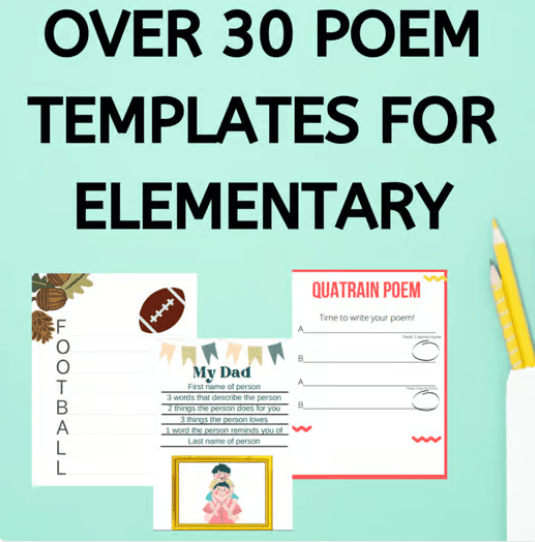
Need a ready-to-print poetry unit for Elementary? Use this huge set of poetry templates to teach poetry for the entire year! Includes all seasons and many different types of poems.
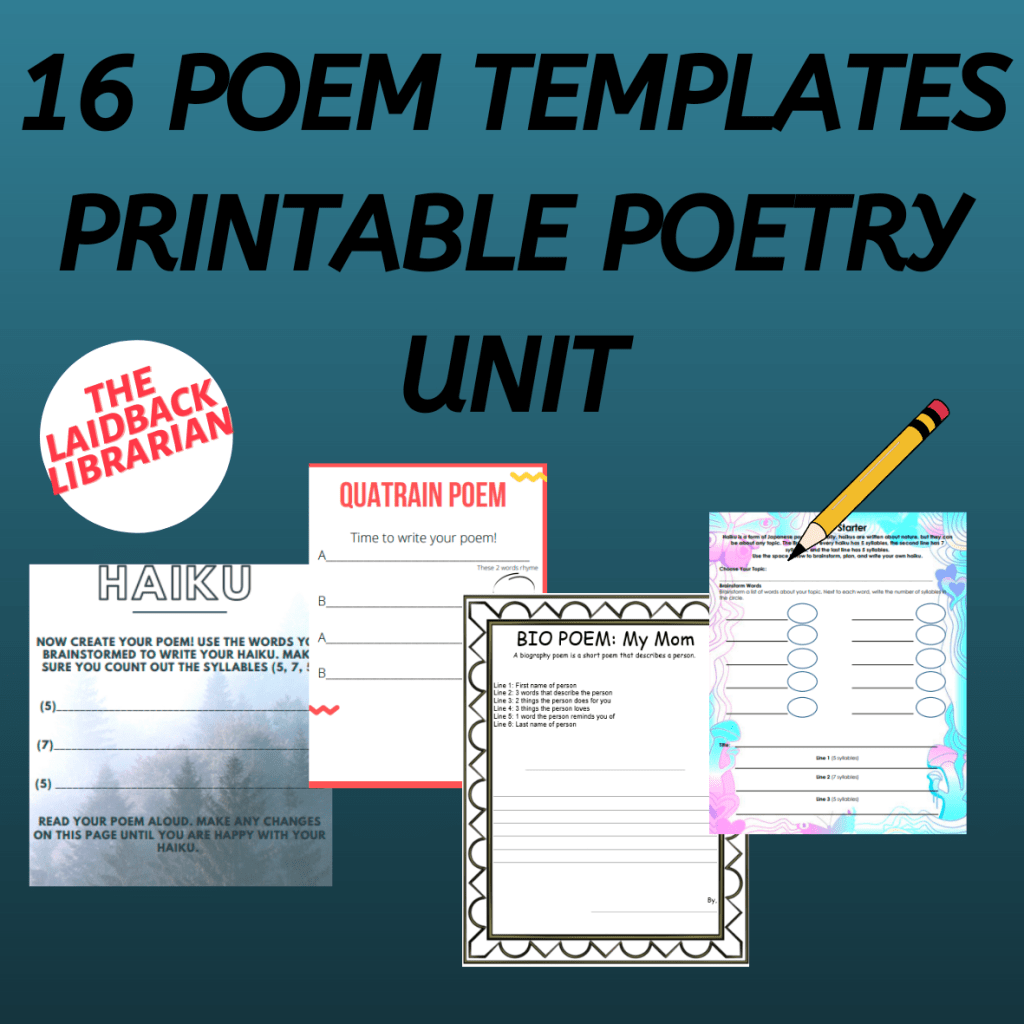
“This was quick and easy and provided what was needed for the kids to practice different types of poems. Thank you!”

Michelle M.
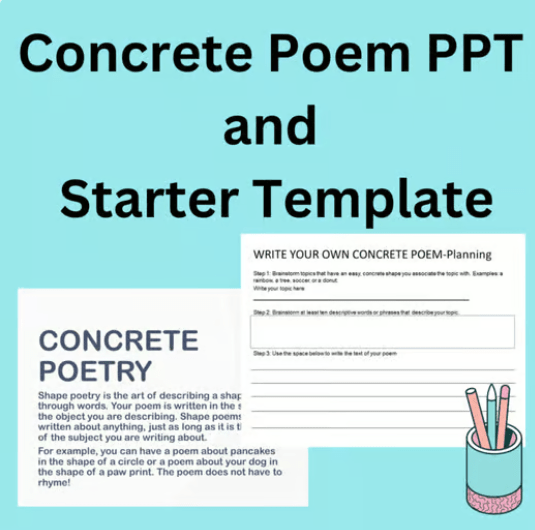
I am always searching for new ways to do poetry with the students. This was very helpful.
Linda K.
 The Laidback Librarian
Leave a comment